Corporate Gifting and Employee Perks: What Bulk Tumbler Orders Actually Involve
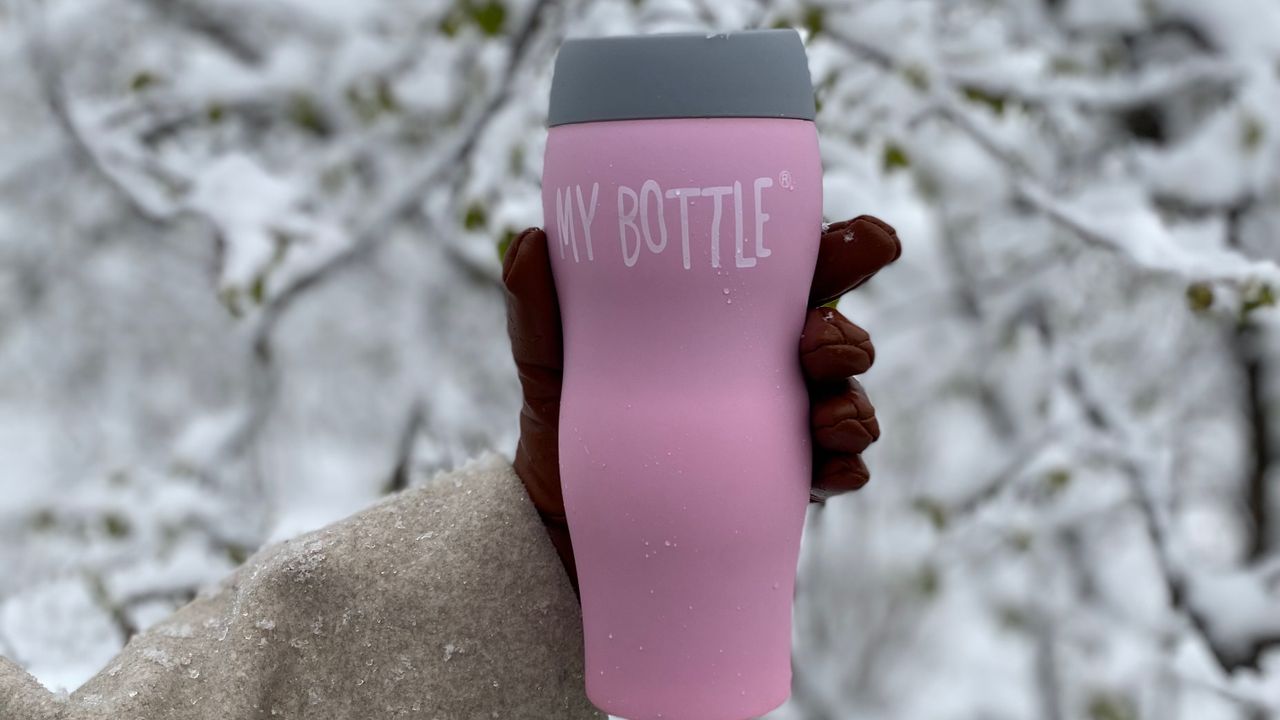
Ordering drinkware for a company event or employee recognition program looks straightforward until the first quote comes back. The gap between “we need 500 tumblers with our logo” and a finished, delivered order involves more decisions than most buyers anticipate — and the ones that get skipped early tend to surface as problems at the end.
Understanding the full sequence before placing an order saves time and usually money.
Where most bulk orders start (and where they go sideways)
The typical starting point is a quantity and a rough budget per unit. That’s not enough information to get a useful quote, but it’s enough to get a ballpark number that may not reflect what the order will actually cost.
The variables that move price significantly: lid type, finish, imprint method, packaging format, and lead time. A straight-walled tumbler with a standard screw lid and a single-color laser engraving is a different product — and a different price — than the same form factor with a push-button straw lid, a soft-touch coating, and a full-color printed sleeve. Both are “a tumbler with our logo,” but the production process, tooling requirements, and per-unit cost are substantially different.
Getting quotes that are actually comparable means specifying the same thing across suppliers. A quote comparison where one supplier quoted powder coat and another quoted a bare stainless finish, or where one included individual gift boxes and another quoted poly bags, isn’t a price comparison — it’s a comparison of different products.
MOQ and what it actually means for custom orders
Minimum order quantity on stock items and MOQ on custom items work differently. A supplier’s stock tumbler may be available in single units; the same tumbler with a custom color or a non-standard handle will have an MOQ that reflects the economics of setting up a custom production run.
For decoration specifically — laser engraving, pad printing, screen printing, or sublimation — the MOQ is often set by the setup cost rather than the item cost. A screen printing setup requires mixing ink, making a screen, and running off waste pieces before the production run reaches acceptable quality. That fixed cost is spread across the order quantity, which is why per-unit decoration cost drops significantly as quantity increases. A buyer ordering 100 pieces pays a much higher per-unit decoration cost than one ordering 1,000 pieces, even if the base tumbler cost per unit is similar.
For orders where the logo or design is small and simple, laser engraving often has lower effective MOQs because there’s no screen or tooling involved — the artwork file drives the laser directly. For complex artwork, multicolor prints, or all-over designs, the setup cost is higher and the economic minimum is larger.
Artwork and approval: the step that takes longer than expected
Decoration setup requires production-ready artwork. What “production-ready” means depends on the imprint method: laser engraving needs a clean vector file, screen printing needs separated color layers, and full-color methods need high-resolution files that account for how the design wraps around a curved surface.
Most buyers submit a logo file they’ve used for other purposes — a PNG from their website, a low-resolution version from a business card — and discover it needs to be recreated as a vector before production can start. This is a common delay point, and it’s worth resolving before the order timeline is tight.
The approval process adds time regardless of artwork quality. The standard workflow is: submit artwork, receive a digital mockup showing how the design will appear on the finished product, approve or request changes, receive a revised mockup, approve. For first-time orders with a new supplier, two or three revision cycles are normal. Each cycle can take one to three business days depending on supplier workload.
For large orders or orders with a hard deadline, some buyers pay for a physical pre-production sample — an actual finished piece with the decoration applied — before authorizing full production. The sample cost is typically the per-unit production cost with no volume discount, plus expedited shipping. It’s worth it when the order is large enough that discovering a problem only at final inspection would be costly.
Packaging decisions for corporate distribution
How the finished tumblers need to be delivered to end recipients is a packaging question that affects both cost and logistics, and it’s worth deciding early.
Bulk pack — tumblers packed in master cartons without individual retail packaging — is the lowest-cost option and works when the buyer will distribute the items in person at an event. If tumblers are being mailed directly to employees or clients, they need individual packaging that protects the product through final-mile shipping and presents appropriately when the recipient opens it. That means individual boxes, possibly with tissue, possibly with a branded insert card, and an outer shipping box.
The cost difference between bulk pack and individually boxed, ship-ready product can be significant — sometimes adding $1.50 to $4 per unit depending on packaging quality. For a 500-piece order, that’s $750 to $2,000 in packaging cost that wasn’t in the initial budget.
For companies that want gifting to feel premium, the packaging experience matters as much as the product. A well-constructed gift box with the company’s colors and a brief message card reads as intentional; a tumbler wrapped in bubble wrap in a plain brown box does not, regardless of how good the tumbler itself is.
Delivery timelines for different order types
Standard production lead times for custom decorated orders from established suppliers typically run three to five weeks from artwork approval to shipped product, not from order placement. The artwork and approval phase adds another one to two weeks before production starts.
This means the realistic timeline from “we need tumblers” to “tumblers are in hand” is five to eight weeks under normal conditions. For peak periods — fourth quarter, end of fiscal year, major event season — suppliers’ production queues lengthen and the same process can take ten to twelve weeks.
Buyers who are sourcing stainless steel tumblers bulk for a date-specific event and discover this timeline two weeks before the event are in a difficult position. Rush production is available from some suppliers at a significant premium, and air freight instead of ocean shipping adds further cost. Neither is a good substitute for starting the process with enough lead time.
The practical advice: if the event date or distribution date is fixed and non-negotiable, work backward from that date and add two weeks of buffer to whatever timeline the supplier quotes. The timeline quoted is under normal conditions; buffer absorbs the delays that happen in most orders.
What to confirm before authorizing production
A production authorization is the point where the order becomes the buyer’s financial commitment. Before reaching that point, confirm: the per-unit cost at the ordered quantity including decoration, packaging, and any tooling or setup fees; the total order cost; the production lead time and the method and cost of shipping; the cancellation and modification policy once production starts; and the quality standard the supplier will inspect to before shipping.
For orders going to a new supplier, it’s also worth asking how quality issues are handled — specifically, what happens if the delivered product has visible defects or a failure rate above a threshold. Knowing the answer before an issue occurs is easier than resolving it after the fact.