How the Lunch Box Format You Choose Determines Who Will Actually Buy It
The lunch box category has fragmented significantly in the past decade. What was once a straightforward product — a container for carrying food — now covers a range of formats with meaningfully different use cases, target demographics, and channel fit. Buyers who source a generic “lunch box” without understanding these distinctions often end up with a product that sits between categories and appeals fully to none of them.
The format decision is really a market positioning decision, and it’s worth making explicitly before you go to a manufacturer rather than leaving it to default.
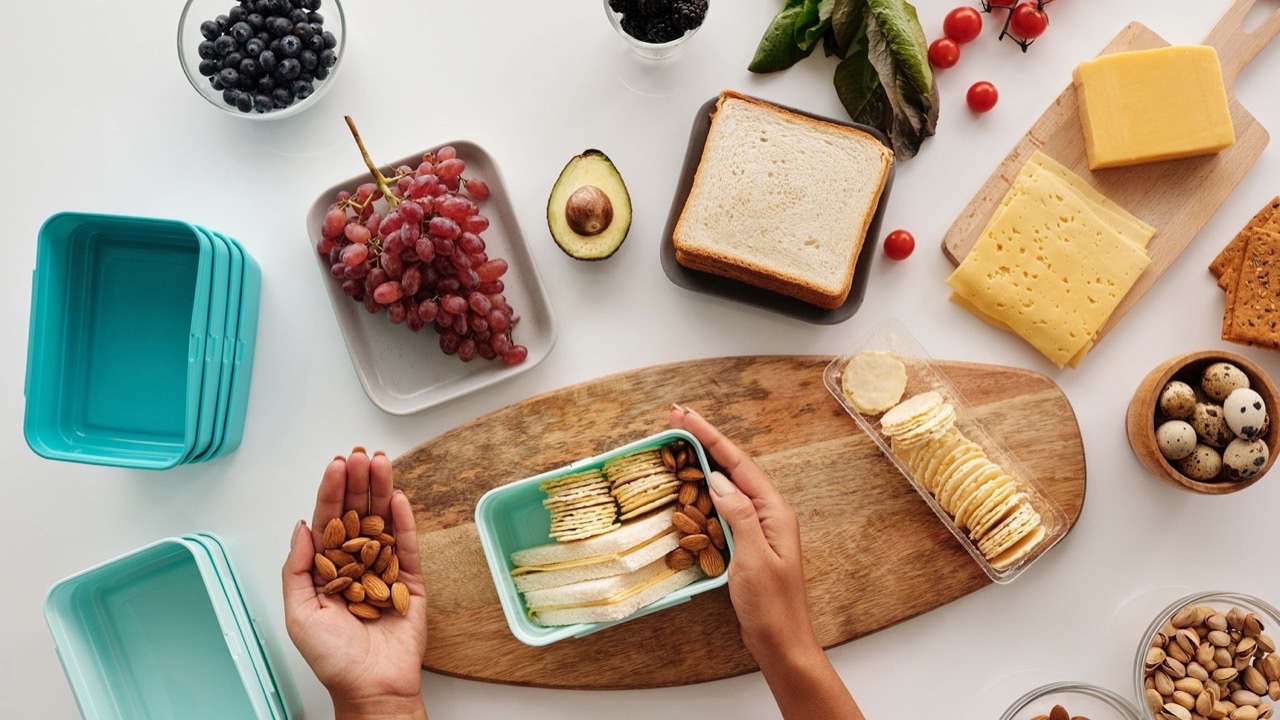
The compartment bento box
Multi-compartment bento boxes — typically plastic or stainless with divided sections for separating food types — have grown from a niche product into a mainstream category. The use case is specific: meal prep culture, calorie-tracking, and users who want to keep different food types from touching or mixing during transport.
The buyer profile for this format skews toward health-conscious adults who prepare their own meals and take them to work or the gym. The compartment design is functional, not just aesthetic — it solves an actual problem that a single-cavity container doesn’t. For this reason, the number and size of compartments are meaningful specifications, not just design features. A three-compartment layout that can accommodate a typical protein-plus-two-sides meal prep structure is different from a five-compartment layout designed for snack variety, and each appeals to a different use pattern.
Material choice matters particularly in this format. Stainless steel compartment containers are durable and don’t take on food odors, but they don’t microwave easily — users who want to reheat directly in the container need a microwave-safe material, which points toward BPA-free plastic or glass. For buyers whose target customer meal-preps and reheats at the office, the microwave compatibility question is a first-order spec requirement.
The food thermos and vacuum jar
Insulated food thermos and food jars — deep, wide-mouth containers with double-wall vacuum insulation — serve a different use case from flat compartment boxes. They’re designed for soups, stews, hot porridge, and any food that needs to stay genuinely hot (or cold) for several hours, not just contained.
This format has strong demand in the kids’ lunch market because parents making hot lunches for school-age children need a container that holds temperature from morning preparation to lunchtime at noon — typically 4–6 hours. A food thermos that maintains serving temperature (above 60°C) for that duration is a functional requirement; one that drops to lukewarm within 2 hours doesn’t solve the problem.
The relevant quality specification is temperature retention over time, and it’s testable. A vacuum-insulated food jar should maintain food above 60°C for at least 5 hours when pre-heated and filled with boiling contents. This is a concrete, verifiable claim that separates products with genuine vacuum insulation from those with minimal insulation labeled as vacuum-insulated. In a wholesale spec, asking for a test data point — temperature at 5 hours — is a more useful filter than any descriptive claim.
Adults use this format too, particularly for office lunches. The wide mouth is an advantage for chunky soups and grain-based meals that don’t pour cleanly; the compact cylinder form factor fits in bags better than flat containers.
The tiffin box
Tiffin boxes — stacked steel containers locked together with a carrier frame — have moved from a South Asian household staple into mainstream retail interest as sustainability and reusability have become consumer priorities. The format is distinctive enough that it reads as intentional and distinctive rather than generic, which gives it positioning value that plain containers don’t have.
The practical appeal is modular volume — users can stack one, two, or three tiers depending on how much food they’re carrying, and the sections stack and lock without requiring a larger container when they only need one. The stainless steel construction is durable and free from plastic food-contact concerns.
The buyer profile for tiffin boxes in Western markets tends to skew toward urban, environmentally-conscious consumers who are already familiar with the format or attracted by its explicit sustainability positioning. For corporate gifting buyers targeting companies with sustainability commitments, the tiffin box has a distinctive look that differentiates it from a standard lunch container.
The insulated lunch bag and container combination
Insulated bags with removable inner containers — a fabric or neoprene outer bag paired with stainless or plastic inner containers — occupy the middle ground between soft cooler bags and hard lunch boxes. They’re popular in the promotional merchandise channel because the bag surface offers a large branding area, and the combination product delivers higher perceived value than either component alone.
The quality question in this format is whether the insulation in the outer bag is genuine. A bag with a thin foil lining offers almost no practical temperature retention; one with adequate foam or vacuum-panel insulation makes a real difference for the 2–4 hour carry most users need. For buyers who are presenting this as an insulated lunch solution rather than just a lunch carrier, testing the actual temperature retention of the bag with the inner container in place — not just the container alone — is worth doing before placing an order.
What the channel tells you about the format
Corporate gifting buyers should default to the food thermos format for individual gifts — it’s compact, visually premium, and universally useful. For group events or large gifting programs, the insulated bag-plus-container combination offers more visible branding opportunity.
School and family market buyers should look at both the tiffin box format for parents who appreciate the modularity and the compartment bento for school-age kids who need food kept separated.
Health and fitness retail buyers should spec the multi-compartment format in materials compatible with the heating behaviors of their customer base — microwave-safe plastic for most, stainless for buyers who prefer not to use plastic.
For wholesale buyers sourcing across these segments, working with a lunch box manufacturer that covers multiple formats in both stainless and plastic allows the buyer to build a coherent product line without fragmenting their supply chain. The alternative — sourcing each format from a specialist — works but increases the vendor management overhead and makes consistent quality across the line harder to achieve.